Unified Mobile Ecosystems Reshaping Incentive Distribution Across Gambling Formats
Katja Brooks · Jul 27, 2026

Unified Mobile Ecosystems Reshaping Incentive Distribution Across Gambling Formats
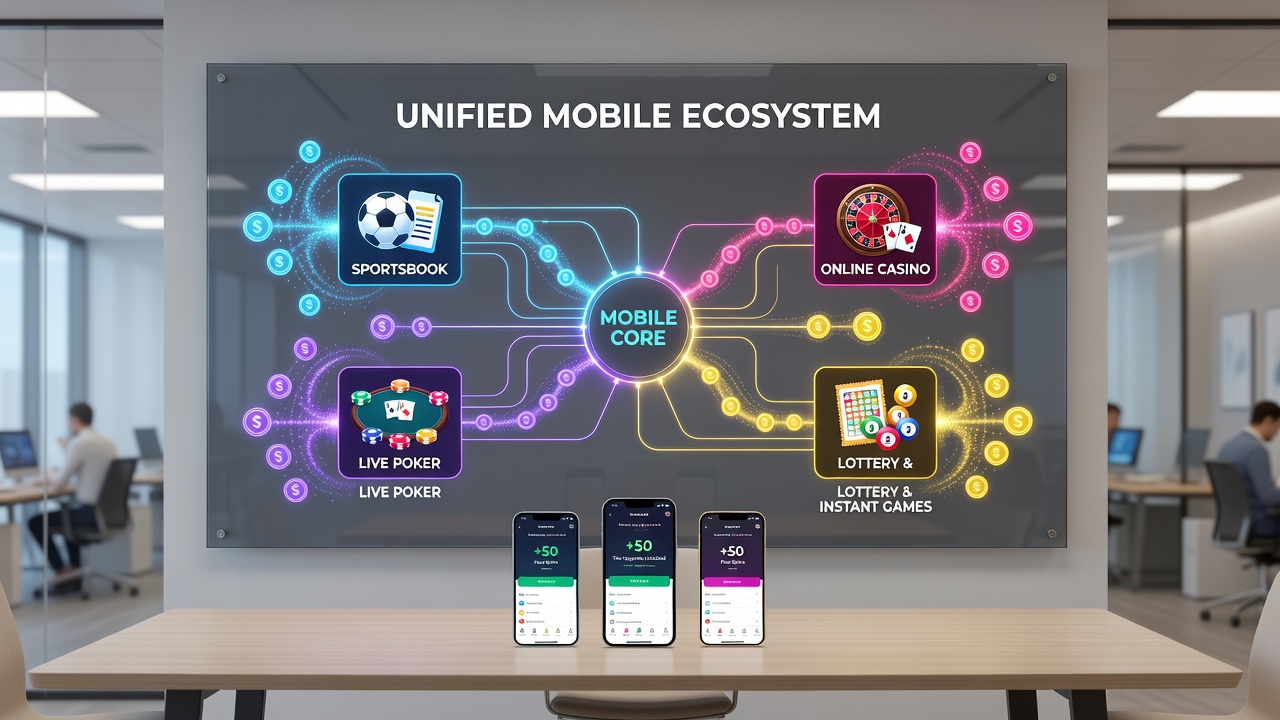
Unified mobile ecosystems now connect slots, poker tables, and sportsbooks through single applications that handle user accounts, game access, and reward allocation in one place, and operators have expanded these platforms since 2024 to manage incentives that transfer across formats without separate logins or balance resets.
Core Components of Unified Mobile Ecosystems
These systems rely on centralized servers that track player activity across modules while devices sync data in real time, so a user who earns points from slot spins can apply them directly to poker tournament entries or sportsbook wagers within the same session, and developers standardize APIs to ensure compatibility across iOS and Android versions that dominate market share according to industry adoption figures.
Identity verification protocols sit at the foundation because regulators require consistent checks before incentives activate, which means facial recognition or document uploads happen once and then cover all game types inside the app rather than repeating for each format, and this setup reduces friction while meeting compliance standards from bodies such as the Nevada Gaming Control Board and the Alcohol and Gaming Commission of Ontario.
Incentive Allocation Mechanisms
Reward engines inside these ecosystems calculate bonuses based on total activity rather than isolated game performance, so a player completing a slot challenge might receive credits that unlock poker table stakes or enhance odds boosts in live betting markets, and algorithms adjust distribution rates daily using aggregated data from millions of sessions reported in quarterly operator filings.
Cross-format multipliers appear when users meet combined thresholds, for instance wagering set amounts on slots while maintaining poker rake contributions that together trigger sportsbook deposit matches, and these layered offers appear in July 2026 updates from major platforms that track participation spikes during major sporting events overlapping with casino promotions.
Device Integration and Technical Standards
Push notification systems alert users to available incentives across all formats at once, yet the underlying code prevents duplicate claims by logging every redemption against a shared ledger, and cloud-based storage keeps balances synchronized even when players switch devices mid-session because operators adopted unified protocols that eliminate version conflicts.
Security layers encrypt transaction data for incentives whether they originate from slots or sportsbooks, and audit trails maintained by platform providers allow regulators to review allocation patterns without accessing individual game servers separately, which streamlines oversight processes that previously required multiple reports per operator.
Regional Implementation Patterns
North American markets show rapid rollout because state-level licensing now includes mobile provisions that encourage single-app ecosystems, whereas European jurisdictions with established online frameworks focus on interoperability rules that let incentives move between operators under controlled conditions, and data from the European Gaming and Betting Association indicates rising cross-format participation rates through 2026.
Asia-Pacific operators integrate local payment gateways into the same mobile frameworks so incentives convert across currencies and game types without extra steps, and case studies from Singapore and Macau facilities reveal that unified reward systems correlate with higher session durations when players move seamlessly from table games to betting markets.
Challenges in Cross-Format Reward Delivery
Regulatory differences between jurisdictions create hurdles because some regions cap bonus values per game category while unified systems aim for aggregate limits, and operators adjust algorithms to flag and separate allocations accordingly to stay compliant, yet technical teams continue refining detection tools that identify overlapping activity without blocking legitimate transfers.
User adoption varies because older devices sometimes struggle with the processing demands of multi-module applications, although recent hardware standards have narrowed performance gaps, and support documentation from platform providers outlines minimum specifications that ensure consistent incentive tracking regardless of format accessed.
Conclusion
Unified mobile ecosystems continue to expand their role in distributing incentives by linking varied gambling formats through shared infrastructure and standardized processes, and ongoing technical refinements plus regulatory alignment determine how these systems evolve in markets worldwide through the remainder of 2026 and beyond.