Tracing Incentive Pathways: How Verification Layers Shape Reward Distribution in Blended Mobile Gaming Ecosystems
Yves Richter · Aug 19, 2026
Tracing Incentive Pathways: How Verification Layers Shape Reward Distribution in Blended Mobile Gaming Ecosystems
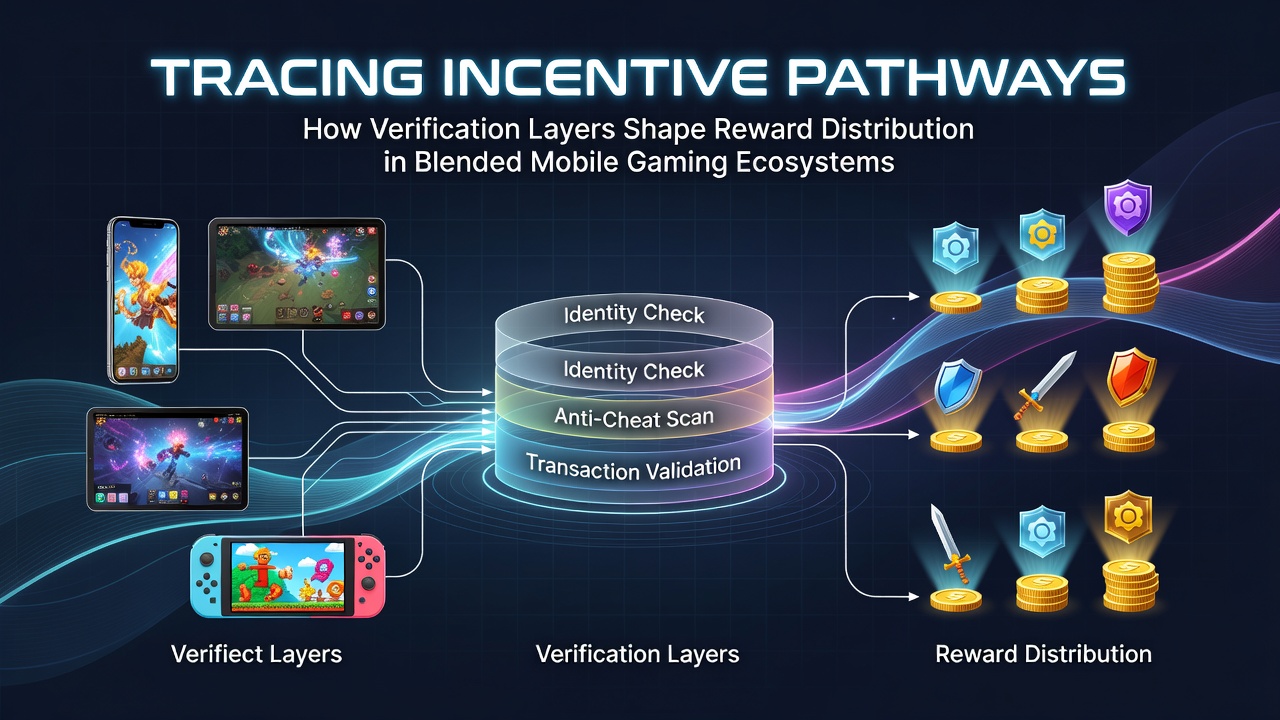
Verification layers in mobile gaming operate as gatekeepers that determine how incentives flow from operators to players across combined slot, poker, and sportsbook modules, and data from regulatory filings indicates these protocols directly influence reward eligibility, timing, and allocation volumes. Operators integrate identity checks at multiple stages, which creates distinct pathways where verified accounts access higher-tier bonuses while unverified ones face restrictions or delays, and this structure has become standard in applications that blend game formats on portable devices.
Core Components of Verification in Mobile Environments
Identity verification typically involves document uploads, biometric scans, and address confirmation, processes that researchers at academic institutions have tracked through platform audits since the early 2020s, and these steps segment users into tiers that receive differentiated reward streams. Age verification runs in parallel, often drawing on government databases in regions such as the United States and Canada, which ensures compliance while also routing rewards only to accounts that meet jurisdictional thresholds. Observers note that multi-factor authentication adds another layer, requiring device-linked confirmations before certain incentives activate, and this combination reduces duplicate accounts that might otherwise split or abuse distribution channels.
Integration Across Blended Game Formats
Blended ecosystems merge slot spins with poker tables and live betting within single applications, yet verification layers enforce unified player profiles that carry reward eligibility across modules, and figures from industry reports show cross-format incentives now account for a growing share of total distributions. A player completing verification once gains access to loyalty points earned from any game type, which then convert into bonuses usable in other sections, while separate unverified profiles remain isolated from these transfers. Data indicates that platforms updated their systems in 2025 and 2026 to link these pathways more tightly, creating seamless flows once initial checks clear but blocking partial access that could fragment rewards.
Impact on Reward Allocation Mechanisms
Reward distribution follows verification status in measurable ways, with fully confirmed accounts unlocking progressive multipliers and time-sensitive offers that unverified users cannot claim, and analyses of transaction logs reveal higher redemption rates among verified cohorts. Operators apply these layers to combat fraud, which in turn shapes how bonus pools divide among eligible players, and evidence from platform metrics demonstrates that stricter checks correlate with more precise targeting of incentives to active, compliant users. In August 2026, several major mobile providers adjusted their protocols to incorporate real-time database cross-references, which accelerated verification for returning players and altered the speed at which rewards entered circulation within blended environments.
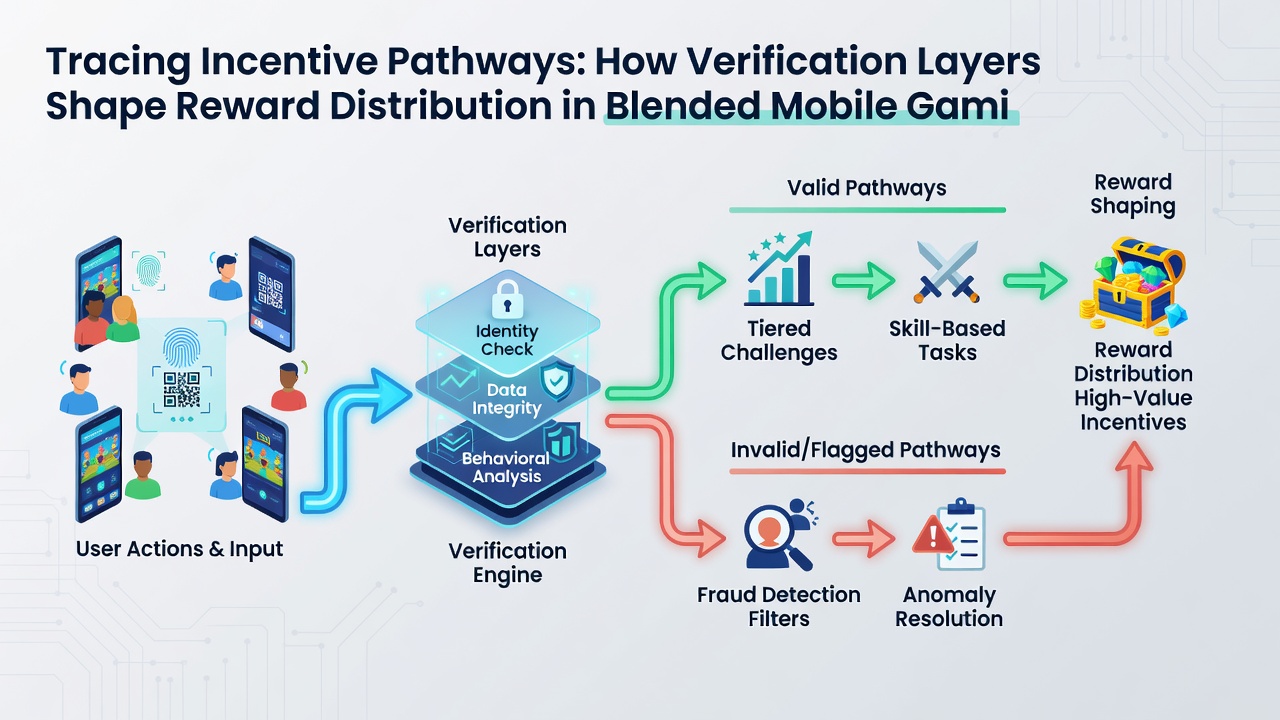
Those who've examined transaction data find that verification also affects geographic reward routing, since location confirmation determines which regulatory rules apply to specific bonuses, and this creates regional variations in how incentives reach players. Platforms use these controls to comply with local mandates while maintaining unified user experiences, and the result appears in allocation patterns where certain offers activate only after verification confirms permissible jurisdictions.
Regulatory Influences on Pathway Design
Government agencies across North America and Europe require verification documentation before rewards can distribute, which forces operators to embed these checks early in the player journey, and reports from the American Gaming Association document how such rules have standardized practices in mobile channels. Industry organizations track compliance rates, noting that verified pathways reduce disputes over reward claims while also limiting exposure to unauthorized users. A separate analysis by the European Gaming and Betting Association highlights similar patterns in cross-border applications, where layered verification aligns incentives with varying national standards without disrupting the blended format experience.
Technical Standards and Future Adjustments
Device integration standards now support automated verification handoffs between modules, which streamlines reward activation once a profile clears initial hurdles, and developers have incorporated these into updates rolled out through 2026. Observers tracking adoption rates see fewer interruptions in incentive delivery when verification occurs at onboarding rather than at reward claim time, and this shift has measurable effects on overall distribution volumes within integrated ecosystems. Researchers continue to monitor how emerging technologies, such as enhanced biometric options, might further refine these pathways while preserving access equity across user segments.
Conclusion
Verification layers continue to define the structure of reward distribution in blended mobile gaming by establishing clear eligibility gates and routing mechanisms that operate across game types. Data from multiple regions shows these protocols create predictable, compliant pathways that operators rely on to allocate incentives accurately, and ongoing adjustments in August 2026 reflect responses to both regulatory demands and platform evolution. The result is a system where identity confirmation directly determines how and when rewards reach players in unified applications.