Tiered Identity Protocols Shaping Blended Reward Access in Mobile Casino Platforms
Yara Friedrich · Jun 24, 2026
Tiered Identity Protocols Shaping Blended Reward Access in Mobile Casino Platforms
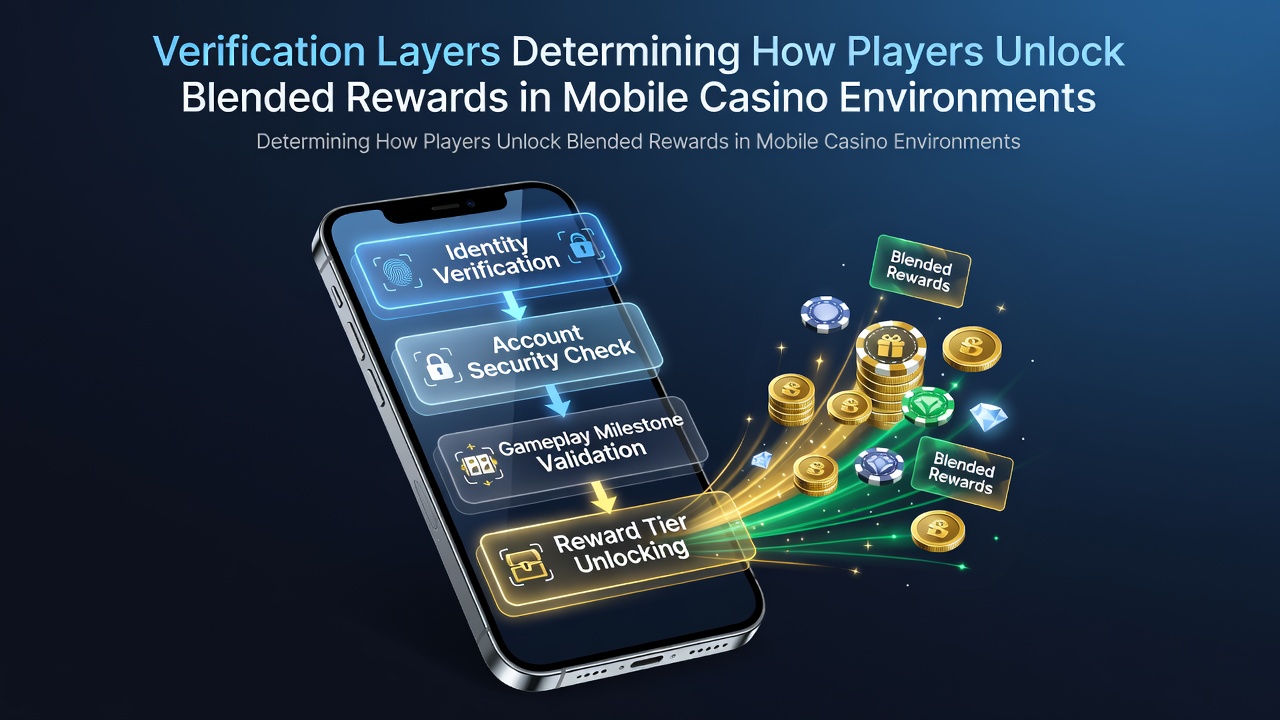
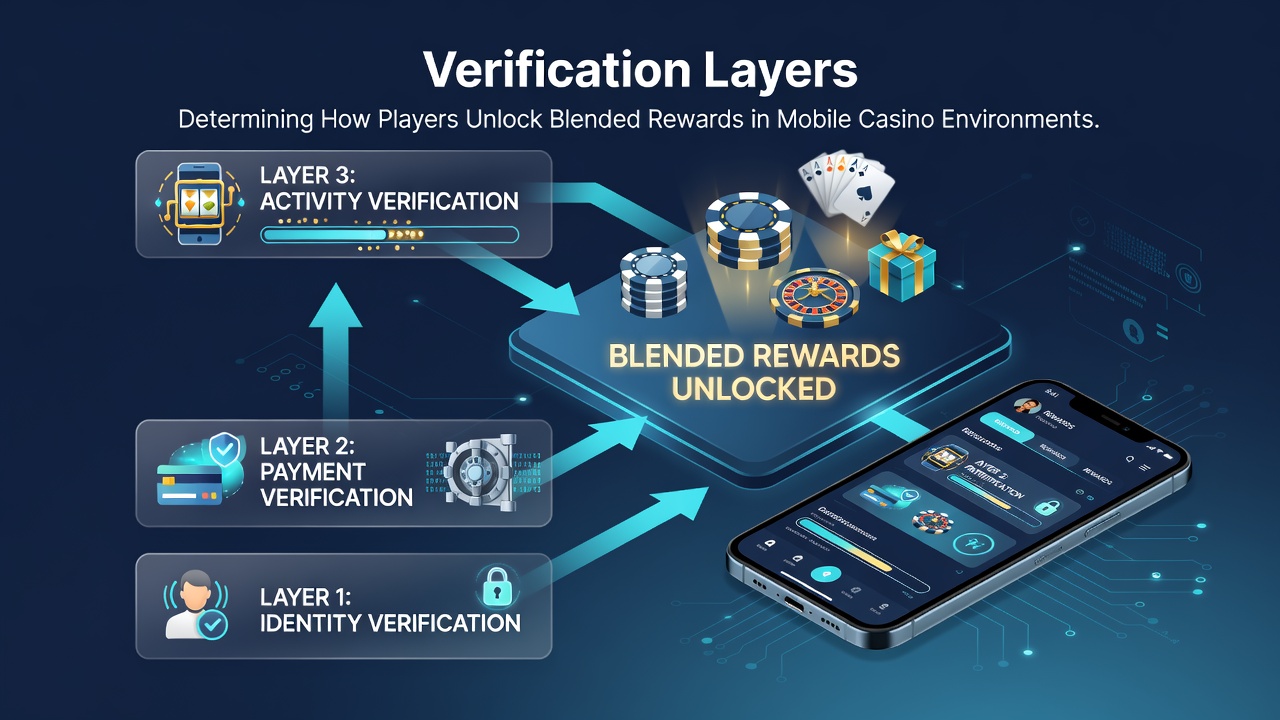
Verification layers operate as sequential checkpoints that determine player eligibility for combined rewards spanning slots, table games, and sports betting modules within single mobile applications, and these systems integrate data from multiple sources to allocate incentives accurately. Operators deploy initial device fingerprinting alongside account registration details, then progress to deeper identity confirmation that cross-references government-issued documents with biometric markers such as facial recognition or fingerprint scans.
Initial Access Controls and Device-Based Screening
Players encounter the first verification tier upon app installation, where the platform collects hardware identifiers, IP geolocation, and operating system data to flag potential fraud patterns before any gameplay begins, and this step filters out restricted jurisdictions while confirming the device meets minimum security standards. Subsequent layers activate once deposits occur, requiring players to submit identification that matches banking records, which prevents account sharing and ensures rewards tie directly to verified individuals rather than proxy users.
Progressive Verification for Reward Blending
Blended rewards combine free spins from slot activity with deposit matches applicable to poker tables or cashback on sportsbook wagers, yet access hinges on completing cumulative verification milestones that escalate based on reward value and game type, and data shows platforms often unlock basic slot bonuses after basic KYC while reserving cross-category multipliers for accounts passing enhanced due diligence. Researchers at institutions tracking digital gambling note that multi-factor authentication via SMS or authenticator apps forms a common middle layer that reduces unauthorized access attempts by significant margins across major markets.
Regulatory Influences on Layer Implementation
State regulators such as the New Jersey Division of Gaming Enforcement mandate specific verification thresholds for mobile operators, requiring real-time checks against exclusion lists and age databases before players can claim any promotional credits, while the Casino Regulatory Authority in Singapore enforces similar protocols that tie reward unlocking to ongoing compliance monitoring. These requirements create standardized pathways where operators must log each verification event, allowing audits to confirm that blended incentives distribute only to eligible accounts and that promotional terms align with local statutes updated through 2026.
Advanced layers incorporate behavioral analytics that monitor play patterns and transaction velocity, triggering additional checks when anomalies appear, such as rapid reward redemptions across unrelated game modules, and this adaptive approach maintains system integrity while permitting seamless progression for compliant users who complete verification early.
Integration Across Game Formats in June 2026
By June 2026 mobile platforms had refined verification sequences to support unified reward ledgers that track contributions from slots, live dealer sessions, and event-based betting within one profile, and operators report that players completing all tiers gain immediate eligibility for hybrid promotions that previously required separate accounts. Industry reports from the European Gaming and Betting Association highlight how standardized APIs now allow verification data to flow securely between modules, reducing redundant submissions while preserving audit trails required by multiple jurisdictions.
Device integration standards further streamline these processes by embedding verification results directly into app permissions, so once a player passes biometric confirmation the system recognizes the same credentials across game types without repeated prompts, and this efficiency benefits both operators managing large user bases and players navigating complex reward structures.
Case Examples of Layered Systems in Operation
One operator serving multiple U.S. states implemented a four-tier model where tier one grants slot-specific spins after basic address verification, tier two adds table game credits following document upload, tier three enables sportsbook boosts upon biometric approval, and tier four releases blended loyalty multipliers once transaction history clears automated review, and similar frameworks appear in Canadian provincial systems that prioritize secure data handling. Observers note that these structures minimize disputes over reward eligibility because each layer generates timestamped records accessible to support teams.
Conclusion
Verification layers function as the gatekeepers that align player identity with the technical requirements for unlocking blended rewards across mobile casino environments, and their layered design accommodates regulatory diversity while supporting the operational demands of integrated gaming platforms active in June 2026. Continued refinement of these protocols depends on collaboration between technology providers, operators, and oversight bodies that prioritize accurate allocation without compromising user access.