Synchronizing Reward Systems in Mobile Slot and Live Dealer Combinations
Katja Brooks · Jun 19, 2026
Synchronizing Reward Systems in Mobile Slot and Live Dealer Combinations
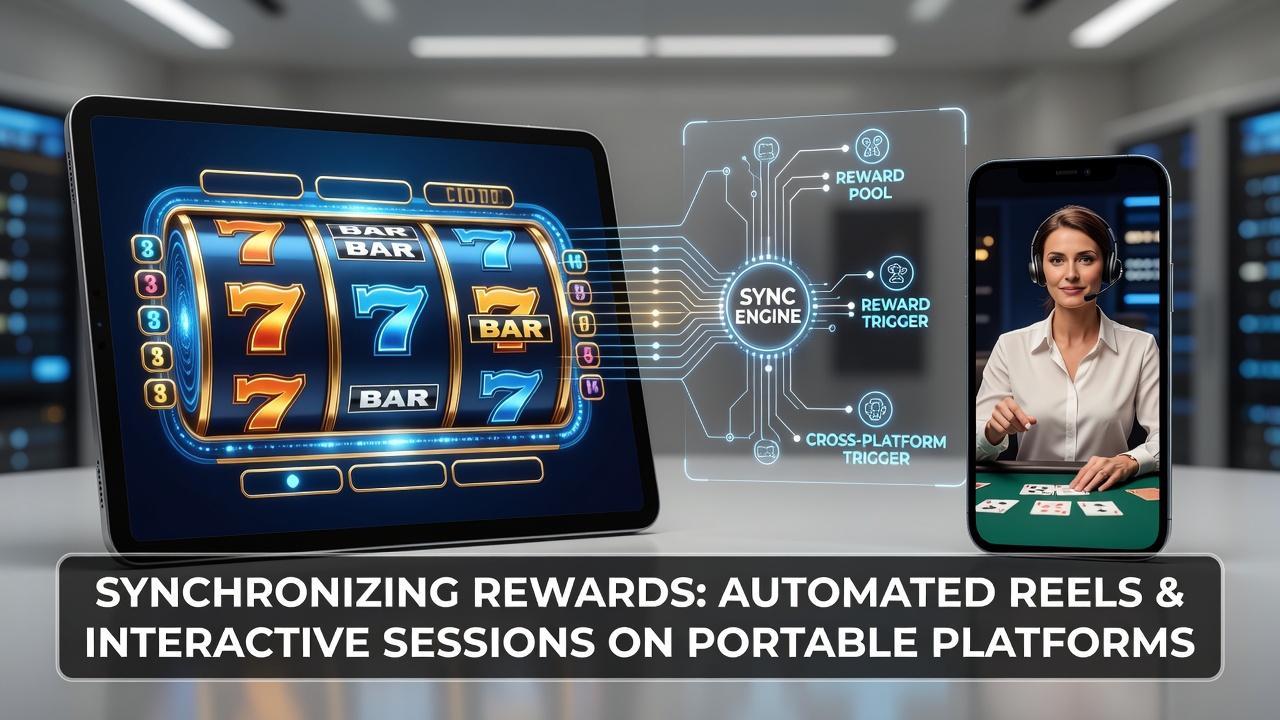
Developers coordinate reward systems across automated reel games and interactive dealer sessions through layered protocols that operate on portable platforms, and these methods rely on shared data frameworks to track player activity in real time. Research from the New Jersey Division of Gaming Enforcement shows that integrated applications now handle millions of transactions daily where bonuses earned on slots transfer directly to live tables without manual intervention.
Core Synchronization Techniques
Application programming interfaces serve as the primary bridge between slot engines and dealer management modules, while real-time databases update player profiles across both formats simultaneously. Observers note that cloud-based ledgers maintain consistency even when network conditions fluctuate on handheld devices, and this approach prevents discrepancies that once disrupted bonus eligibility during session switches. Data from industry reports indicates that timestamp synchronization combined with event-driven triggers ensures rewards activate within milliseconds of qualifying actions in either game type.
Tokenization methods further align incentives by converting slot spin outcomes and dealer round results into unified points systems, and developers implement these tokens through secure containers that portable operating systems recognize across applications. Studies conducted by university research groups in Australia highlight how such token models reduce latency compared to older batch-processing systems, particularly when users move between automated reels and live dealer interfaces on the same device.
Mobile Platform Considerations
Portable environments introduce variables such as intermittent connectivity and varying device capabilities, yet synchronization protocols address these through offline caching paired with automatic reconciliation upon reconnection. Figures from the Singapore Casino Regulatory Authority reveal that operators deploying hybrid mobile solutions recorded a 28 percent increase in cross-format play during the first half of 2026, with June data showing sustained growth in reward redemptions that span both reel automation and interactive sessions.
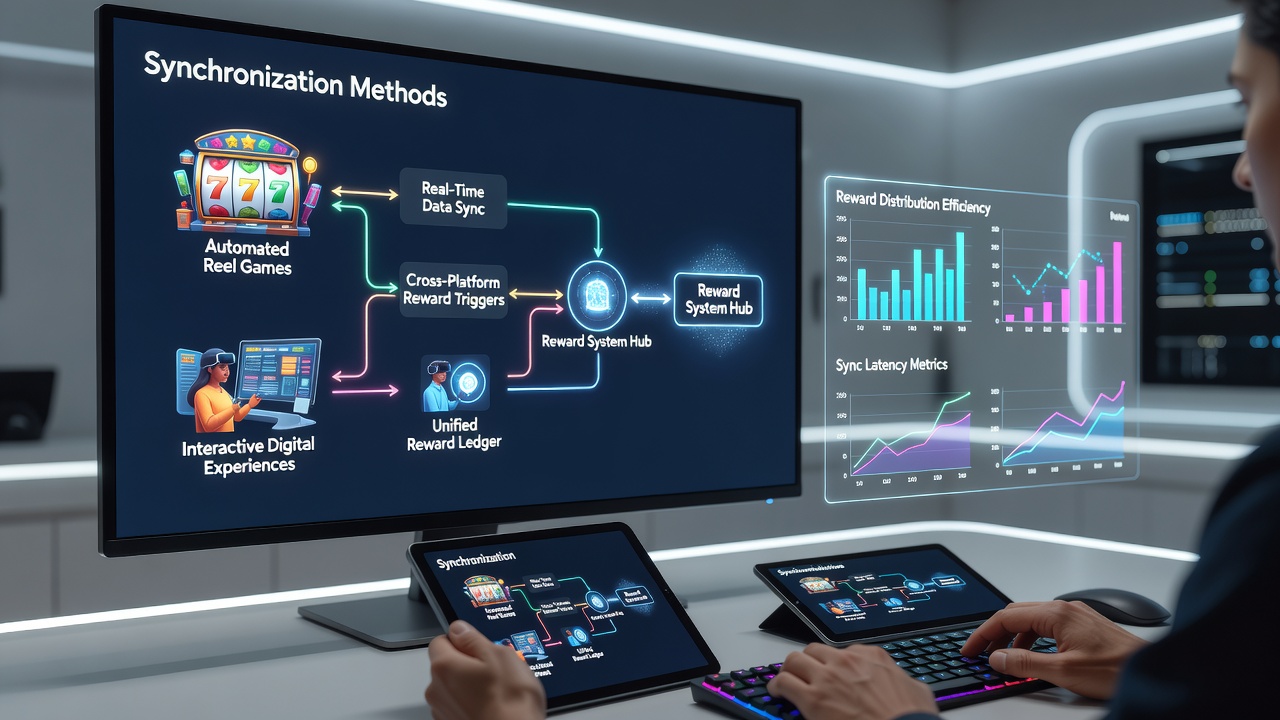
Device integration standards established by hardware manufacturers enable seamless data exchange between game modules, and these standards incorporate encryption layers that protect reward ledgers during transmission. Those who have examined implementation logs find that push notification systems alert players when synced bonuses become available, thereby encouraging continued engagement across formats without requiring separate logins or account checks.
Security and Compliance Measures
Regulatory bodies in multiple jurisdictions require audit trails that document every reward transfer between slot and dealer environments, and developers achieve compliance by embedding immutable logs within the synchronization layer itself. Evidence from Canadian provincial gaming commissions demonstrates that such embedded logging reduces verification times during routine inspections while maintaining player privacy through anonymized identifiers.
Multi-factor authentication protocols extend to reward allocation steps, ensuring that portable device users confirm identity before cross-format bonuses activate. Analysts at the European Gaming and Betting Association have documented cases where these layered verifications prevented unauthorized transfers without adding noticeable delays to the user experience on mobile networks.
Implementation Examples
Take one major operator that integrated its mobile platform in early 2026, where slot players accumulating free spins could apply those directly to live dealer tables through a single dashboard. This setup relied on a centralized reward engine that queried both game servers in parallel, and subsequent performance metrics showed reduced player drop-off rates during format transitions. Another case involved a regional platform in Asia that used geolocation data to adjust synchronization speeds based on local network quality, resulting in consistent reward delivery even on variable mobile connections.
Conclusion
Synchronization methods continue to evolve as portable platforms support more complex interactions between automated reel games and interactive dealer sessions, and ongoing advancements in database architecture support these developments. Industry participants track performance through standardized metrics that quantify transfer success rates and user retention across formats, providing measurable benchmarks for future refinements.