Portable Devices Shift Incentive Structures in Casino Gaming Modules
Kai Wagner · Jul 17, 2026
Portable Devices Shift Incentive Structures in Casino Gaming Modules
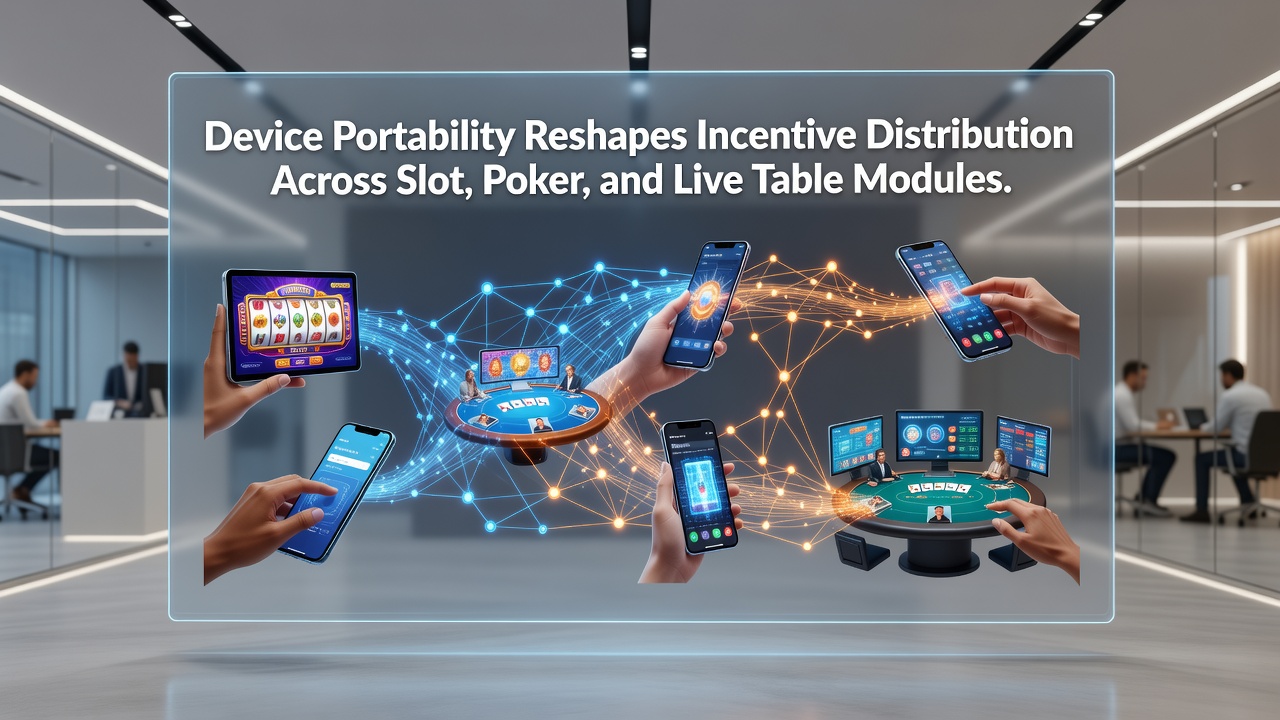
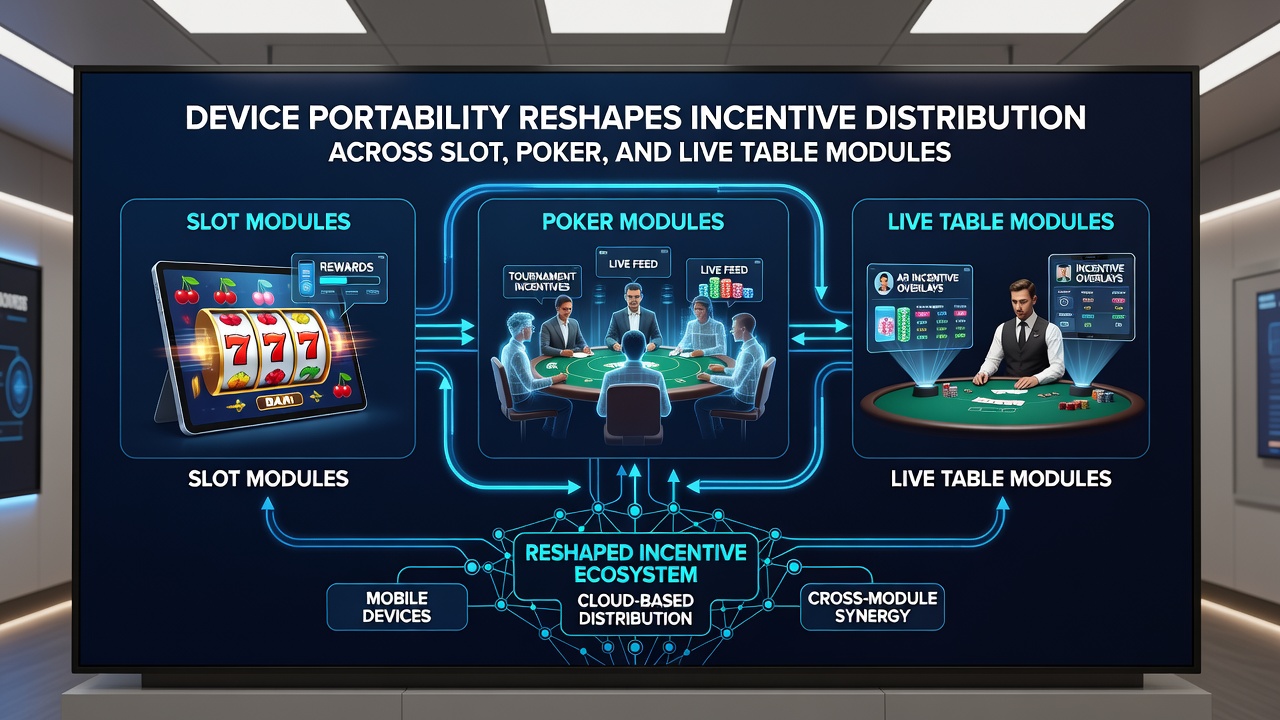
Device portability continues to alter how operators allocate incentives across slot machines, poker rooms, and live table environments, with cross-module tracking systems gaining ground in multiple jurisdictions by mid-2026. Mobile applications now handle real-time synchronization of player activity, so rewards earned during one session transfer automatically when users move to another format without requiring manual resets or separate logins. This integration stems from advancements in API frameworks that connect disparate game engines while complying with regional licensing rules.
Slot Module Adaptations Under Mobile Influence
Slot platforms have incorporated portable device protocols that adjust free spin allocations and multiplier bonuses based on session length recorded across phones and tablets. Operators deploy geofencing tools to verify location while permitting seamless transitions between land-based terminals and remote play. Data indicates that in July 2026 several major properties reported higher engagement rates after implementing these portable reward layers, because players maintain progress even when switching hardware mid-session.
Studies from industry observers reveal that slot incentives now factor in device type, with tablet users often receiving extended play windows compared to smartphone sessions due to screen size metrics tracked by backend systems. And yet the core mechanic remains consistent: accumulated points feed into a shared ledger visible in all connected modules.
Poker Room Integration and Reward Flows
Poker applications leverage the same portability infrastructure to distribute tournament tickets and cashback percentages tied to overall platform activity rather than isolated table performance. Players who begin a session on a desktop station can continue at mobile tables, carrying forward any loyalty multipliers earned earlier. This approach reduces fragmentation in reward distribution, since the system registers every hand regardless of access point.
One notable development involves identity verification layers that activate upon device change, ensuring compliance without interrupting play flow. Figures from regulatory filings show increased adoption of such unified systems in North American markets during the first half of 2026.
Live Table Module Adjustments
Live dealer environments incorporate portable device feeds that deliver real-time incentive updates during blackjack or roulette sessions. Cameras and software overlays allow players using tablets to receive bonus chips synchronized with prior slot or poker activity, maintaining continuity across the casino ecosystem. These connections rely on low-latency networks that operators upgraded throughout 2025 and into 2026.
According to reports issued by the Nevada Gaming Control Board, portable access has expanded incentive eligibility windows for live tables, with operators noting stable revenue patterns tied to these cross-format programs. The adjustments appear in both high-limit and standard pit areas, where mobile check-ins trigger personalized offers drawn from aggregated play data.
Cross-Module Data Handling Practices
Backend systems aggregate metrics from all three modules into centralized profiles updated every few seconds. This aggregation supports dynamic incentive scaling, such as boosting poker sit-and-go entry rewards after a player completes a slot streak on the same account. Observers note that such practices align with standards promoted by groups like the Alcohol and Gaming Commission of Ontario, which emphasize secure data exchange protocols.
Device portability also influences how operators handle time-based bonuses, since portable sessions often last longer than fixed-terminal ones. Research from academic centers tracking gaming behavior highlights correlations between hardware flexibility and higher retention across mixed game formats through the summer of 2026.
Conclusion
Portable technology has established new pathways for incentive distribution that span slot, poker, and live table modules without disrupting individual game rules. Continued refinements in tracking accuracy and compliance mechanisms support broader implementation across licensed operations. As networks stabilize further, the patterns observed in 2026 suggest sustained evolution in how rewards connect disparate casino environments.