Mapping Incentive Structures in Integrated Gaming Platforms: Aligning No-Deposit Bonuses and Live Dealer Benefits
Katja Brooks · Jul 10, 2026
Mapping Incentive Structures in Integrated Gaming Platforms: Aligning No-Deposit Bonuses and Live Dealer Benefits
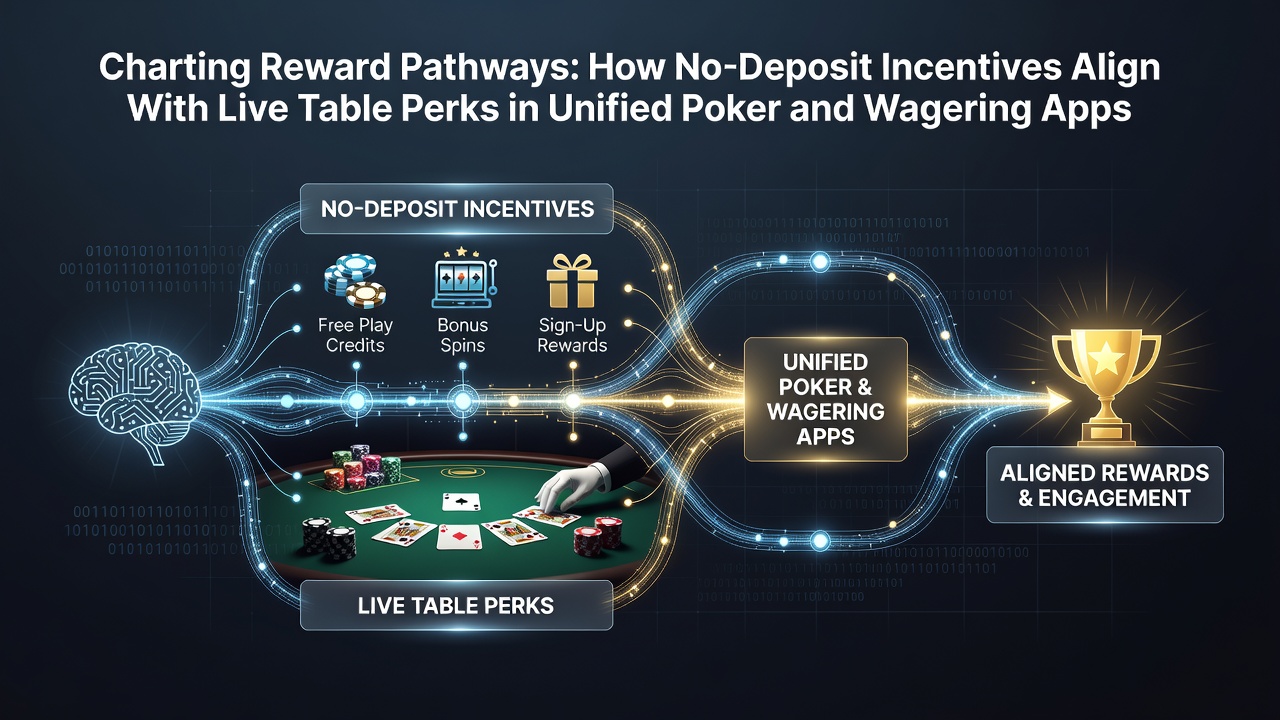
Unified poker and wagering applications continue to evolve their reward systems throughout 2026, with developers focusing on seamless connections between no-deposit incentives and live table offerings. These platforms integrate poker rooms with sports wagering modules, allowing users to access multiple game types within single interfaces while reward mechanisms track activity across both segments. No-deposit incentives typically arrive as free chips, tournament entries, or bonus credits upon account verification, and operators design these offers to transition users toward live dealer tables where additional perks activate. Data indicates that users who redeem initial no-deposit rewards often receive boosted loyalty multipliers when they move into live poker or table game sessions, creating pathways that encourage sustained engagement without requiring immediate deposits.Integration Mechanics Across Platform Modules
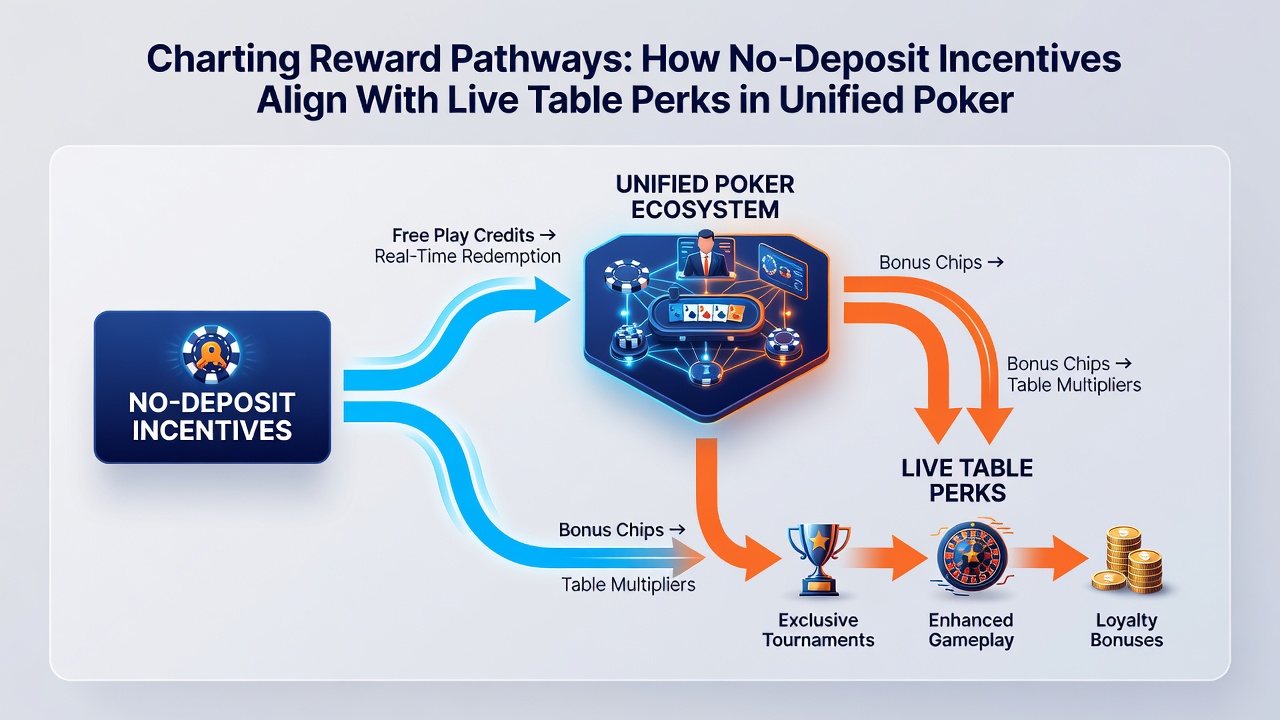
Application developers employ unified player accounts that synchronize progress across poker tournaments, cash games, and live dealer experiences with sports betting interfaces, so rewards earned in one area carry over directly. When a user activates a no-deposit bonus in the poker section, the system logs eligibility for live table comps such as rakeback enhancements or priority seating at virtual tables. This alignment reduces fragmentation and lets players accumulate status points that unlock tiered benefits at live dealer blackjack, roulette, and poker variants.
Observers note that backend systems monitor session data in real time, applying no-deposit rewards toward qualifying wagers that unlock live table perks automatically. For instance, completing a set number of hands with bonus chips may trigger free bet tokens usable at live tables, while wagering modules feed additional data into the same ledger to adjust reward rates dynamically.
July 2026 Platform Updates and Their Impact
Platform providers rolled out several technical refinements in July 2026 that strengthened these connections. Updates included refined APIs linking poker client data with live dealer servers, enabling instant recognition of no-deposit redemptions when users switch to table environments. These changes coincided with expanded live dealer catalogs in several major applications, adding new variants that accept combined reward balances from poker and sports sections.
Research from the New Jersey Division of Gaming Enforcement highlights increased cross-module activity following such integrations, with figures showing higher retention rates among accounts that utilized no-deposit offers before accessing live tables. The updates also introduced clearer tracking dashboards that display how no-deposit incentives convert into live table advantages, such as reduced house edges during promotional windows or exclusive tournament qualifiers.
Player Progression and Reward Layering
Users progress through structured tiers where no-deposit starting points feed into more substantial live table benefits. Early activity with bonus funds contributes to overall play volume, which then determines access to higher-value perks like dedicated live dealer hosts, customized table limits, or accelerated point accrual during peak hours. This layering ensures that initial incentives serve as entry mechanisms rather than isolated promotions.
Industry reports from the Australian Institute of Family Studies document similar patterns in multi-game environments, noting that reward continuity across poker and table modules correlates with longer average session durations. Applications apply algorithmic adjustments so that live table performance can retroactively enhance the value of unused no-deposit balances, creating feedback loops that maintain user momentum.
Regulatory Considerations and Compliance Frameworks
Regulatory bodies in multiple jurisdictions require transparent disclosure of how no-deposit incentives convert into live table advantages. Compliance teams implement audit trails that record every transfer of reward value between modules, ensuring adherence to rules governing bonus wagering requirements and fair play standards. These frameworks prevent isolated treatment of incentives and instead treat them as components within broader player reward ecosystems.
Operators coordinate with oversight agencies to verify that live table perks triggered by no-deposit activity meet minimum return-to-player thresholds. Documentation submitted to regulators often includes flow diagrams illustrating the precise alignment between initial bonuses and subsequent table game benefits, maintaining consistency across different geographic markets.
Future Developments in Unified Reward Systems
Developers continue testing additional features that would further synchronize these elements, including predictive analytics that suggest optimal live table sessions based on remaining no-deposit balances. Such tools aim to maximize the utility of incentives while preserving the distinct characteristics of poker and wagering formats. Continued refinement of these pathways depends on ongoing data collection and regulatory feedback from diverse regions.
Conclusion
Unified poker and wagering applications demonstrate clear structural alignments between no-deposit incentives and live table perks through shared account systems, real-time tracking, and tiered progression models. July 2026 updates reinforced these connections, while regulatory oversight ensures transparency across modules. Data from sources such as the New Jersey Division of Gaming Enforcement and the Australian Institute of Family Studies supports the observation that integrated reward designs sustain user activity across multiple game types. These mechanisms operate as interconnected systems rather than separate offerings, reflecting broader trends in platform architecture.