Layered Access Protocols: Identity Verification's Role in Mobile Multi-Game Reward Allocation
Mia Werner · Jun 3, 2026
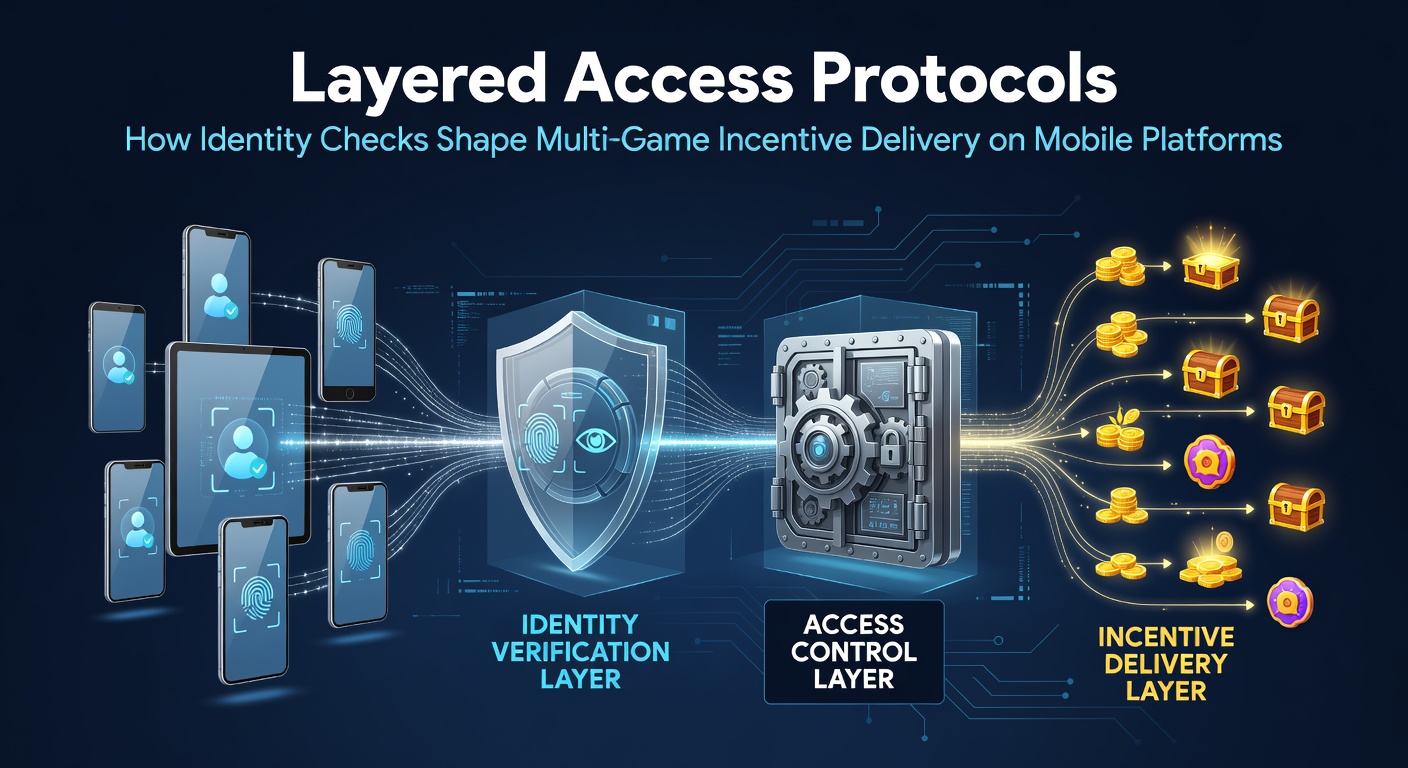
Layered Access Protocols: Identity Verification's Role in Mobile Multi-Game Reward Allocation
Layered access protocols have become central to how mobile gaming platforms manage identity verification and deliver incentives across multiple game formats, and researchers note that these systems typically involve sequential checks ranging from basic account creation to advanced biometric confirmation. Platforms integrate these layers to align with regulatory requirements while enabling tiered reward distribution that varies by game type such as slots, table games, and sports betting modules within the same application.
Data from industry reports shows that operators in North America expanded verification requirements during the first half of 2026, with June figures indicating a 22 percent rise in completed identity profiles compared to the prior quarter. This growth stems from platforms needing to unlock cross-game incentive features, where users must clear additional checks to transfer bonuses between different titles or access higher reward multipliers in combined play sessions.
Core Components of Layered Verification Systems
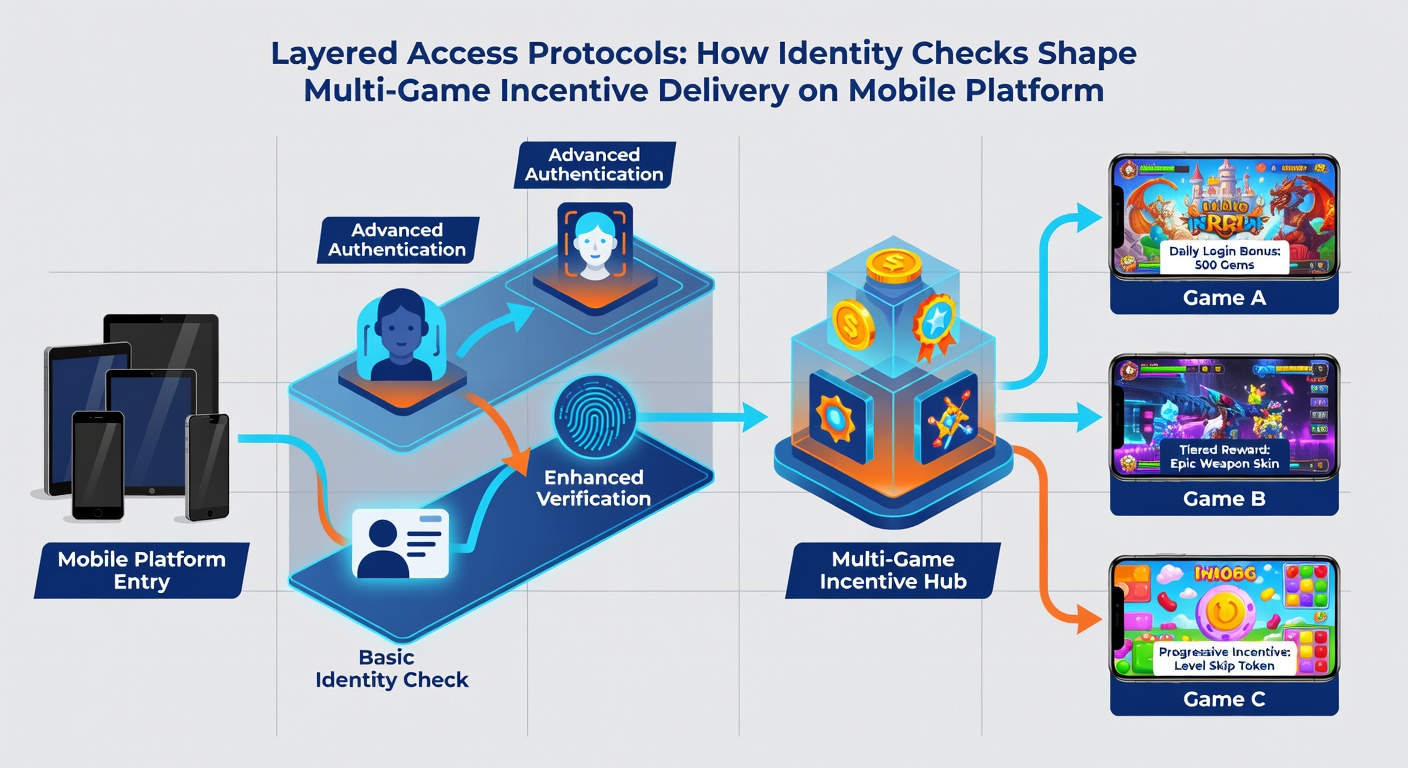
Basic registration often serves as the entry point on mobile platforms, requiring only email and device details, yet this stage restricts users to limited incentive types such as initial deposit matches that remain game-specific. Subsequent layers incorporate government-issued identification uploads and address validation, which then activate broader reward eligibility including loyalty points that accumulate across slots and poker variants simultaneously.
Advanced stages frequently add location tracking via GPS and facial recognition, allowing platforms to confirm user eligibility for region-specific promotions that blend incentives from multiple game categories. Observers note that these protocols prevent incentive misuse by tying reward redemption to verified accounts, and figures reveal that platforms using four or more layers report fewer instances of bonus abuse according to internal compliance metrics shared in trade publications.
Impact on Multi-Game Incentive Delivery
Identity checks directly influence how incentives flow between games because verified users gain access to unified wallets that support seamless transfers of free spins earned in slot sessions to tournament entries in poker sections. Mobile applications that unify these formats under one interface rely on progressive verification to enforce spending limits and bonus expiration rules that differ by game, ensuring compliance without fragmenting the user experience.
Studies from academic sources indicate that platforms adopting dynamic layering adjust verification depth based on user activity patterns, such as requiring extra checks after high-volume play across genres. In June 2026 several operators updated their systems to handle real-time incentive adjustments, where cleared identity layers enable immediate delivery of combined rewards like cashback on losses from both slots and live dealer tables.
Regional Regulatory Influences on Protocol Design
Regulatory frameworks in different jurisdictions shape how platforms structure their access layers, and data from the New Jersey Division of Gaming Enforcement highlights that operators must maintain detailed verification records to offer cross-game promotions legally. This requirement leads developers to embed automated prompts that guide users through identity steps before releasing blended incentives, such as deposit bonuses applicable to both sports betting and casino-style games.
Canadian provincial regulators have similarly emphasized secure data handling in layered systems, prompting platforms to incorporate encryption standards that protect verification information while allowing reward systems to function across mobile titles. Those who've examined compliance trends observe that June 2026 saw increased adoption of these protocols in response to updated guidelines aimed at preventing underage access and ensuring fair incentive distribution.
Technical Implementation and User Flow
Developers build these protocols using modular APIs that connect identity service providers to game servers, enabling real-time status updates that determine which incentives become available. Users encounter sequential screens during onboarding, where each completed layer expands the reward catalog displayed in the app dashboard, and this design supports multi-game environments by centralizing verification data rather than requiring separate checks per title.
Case examples from platform reports show that integrating machine learning helps predict when additional verification might be needed, such as after a user attempts to claim a high-value cross-game bonus, reducing friction while maintaining security standards set by industry associations. Research indicates these efficiencies contribute to higher retention rates as players navigate fewer interruptions once initial layers are cleared.
Conclusion
Layered access protocols continue to evolve as mobile platforms refine how identity verification supports incentive delivery across diverse game offerings, with ongoing data collection guiding adjustments in response to regulatory shifts and technological capabilities. Platforms that implement these systems effectively demonstrate measurable improvements in secure reward allocation, as evidenced by compliance statistics and user engagement metrics reported through mid-2026.