How Interface Elements in Mobile Applications Guide Perk Integration Across Slots, Poker, and Wagering Modules
Kai Wagner · Aug 17, 2026
How Interface Elements in Mobile Applications Guide Perk Integration Across Slots, Poker, and Wagering Modules
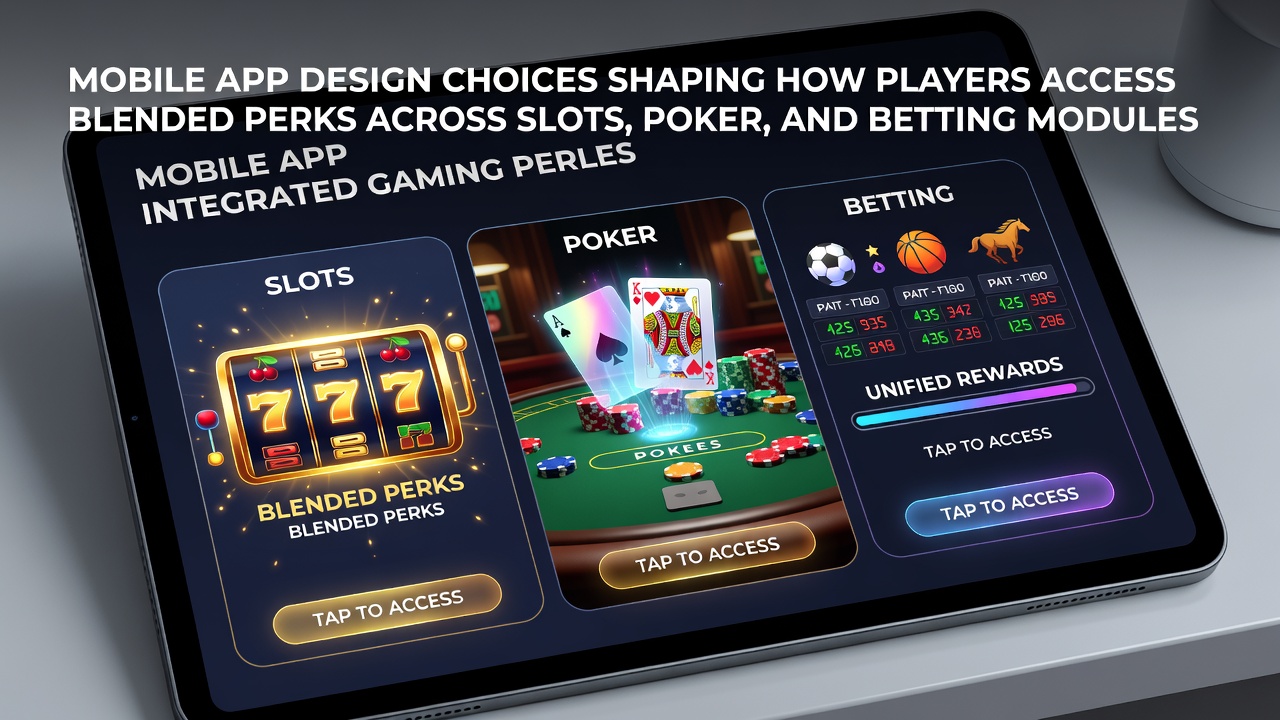
Data from industry tracking services shows that mobile applications increasingly rely on unified navigation structures to connect reward systems in slots, poker, and betting modules, with layout decisions directly affecting how users locate and redeem blended incentives. Observers note that apps using persistent bottom navigation bars allow quicker transitions between game types while displaying cumulative progress toward shared bonuses, and this pattern emerged more prominently during platform updates observed in August 2026.
Centralized Reward Hubs and Their Role in Module Connectivity
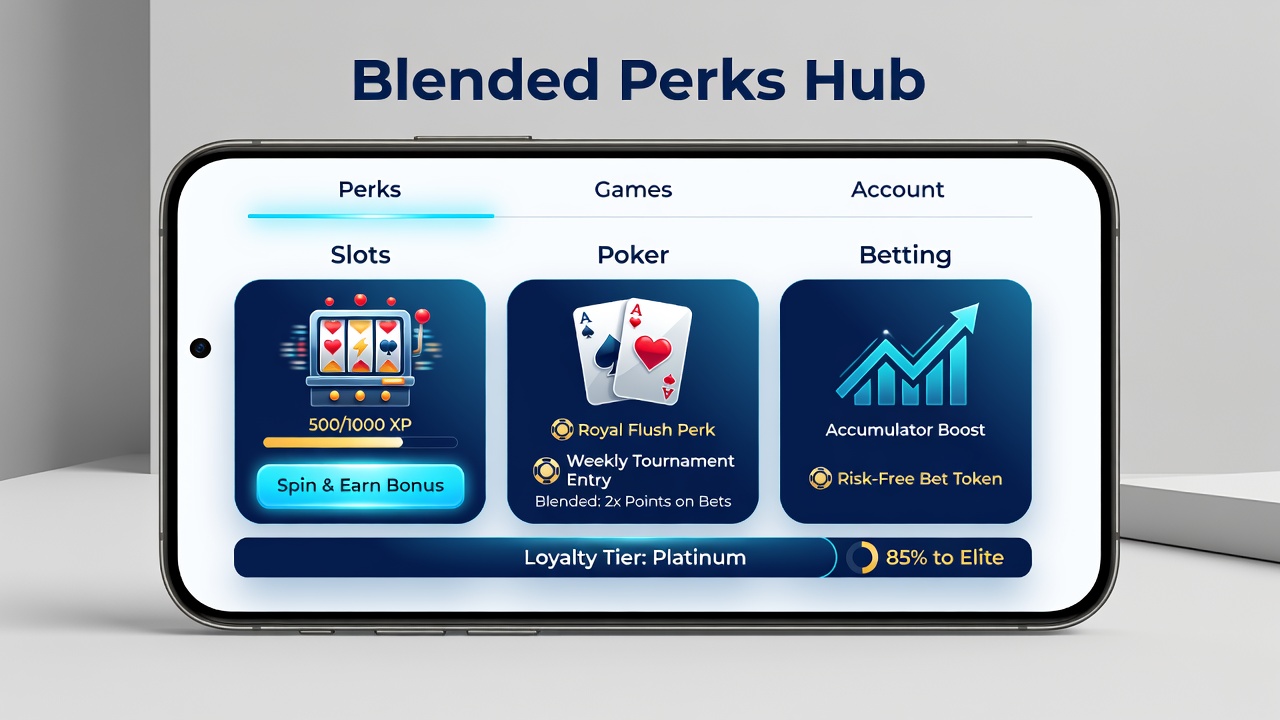
Design teams frequently place a central rewards hub on the home screen, which aggregates points earned from slot spins, poker hands, and betting wagers into a single visible meter. Studies from gaming analytics firms indicate that this placement reduces the number of taps required to view blended perk status, and users who access these hubs complete cross-module challenges at higher rates than those navigating separate menus. The hub often includes progress bars segmented by game type, allowing visual tracking without leaving the main interface.
Developers also incorporate swipe gestures within the hub to reveal detailed breakdowns, such as how recent poker tournament results contribute to a slots free spin multiplier. According to reports compiled by the American Gaming Association, applications that adopted this gesture-based access in mid-2026 recorded measurable increases in session duration across multiple modules.
Tabbed and Dynamic Menu Systems for Perk Visibility
Many applications employ tabbed interfaces at the top or bottom of the screen that switch between slots, poker, and betting while maintaining a persistent perk notification area. These tabs change color or display indicator badges when blended rewards become available, directing attention across sections without requiring separate searches. Research conducted by the University of Nevada's gaming technology group found that dynamic tab highlighting correlates with faster redemption of combined offers, particularly when the system updates in real time based on activity in any single module.
Personalization Layers Within Navigation Flows
Algorithms embedded in the app adjust menu order and perk suggestions based on individual play history, placing frequently used game modules closer to the blended rewards section. This approach appears in platforms that track both time spent and wager volume, then surface relevant incentives such as poker leaderboard boosts that unlock additional slot features. Data released by the Ontario Lottery and Gaming Corporation in recent quarterly summaries highlights how personalized navigation reduced friction for users seeking multi-module promotions.
Notification and Alert Design Patterns
Push and in-app notifications often link directly to the relevant module while previewing the blended perk value, such as a message stating that poker cash game earnings have contributed toward a betting odds boost. Applications that group these alerts into categorized lists rather than isolated pop-ups show higher user retention according to metrics shared by regulatory monitoring bodies in multiple jurisdictions. The timing of these alerts frequently aligns with peak activity windows identified through usage pattern analysis.
Some interfaces display a compact floating action button that expands into a mini dashboard of active blended offers, keeping the information accessible during gameplay in any module. This element appears more often in applications updated after August 2026, where developers responded to feedback about fragmented reward tracking.
Cross-Module Progress Visualization Techniques
Progress visualization tools, including stacked bar charts and achievement trees, appear across many current mobile platforms to illustrate how activity in one area feeds into perks usable elsewhere. A slots player might see a visual line connecting recent spins to an upcoming poker satellite entry, for instance. Interactive charts allow tapping for expanded details on contribution sources, and developers report that these elements improve comprehension of complex reward structures without overwhelming the screen.
Accessibility features such as high-contrast modes and scalable text ensure these visualizations remain usable across device types, a consideration noted in design guidelines issued by several international gaming associations.
Conclusion
Interface choices in mobile applications continue to shape access pathways for blended perks by prioritizing centralized hubs, adaptive menus, targeted notifications, and clear visual connections between modules. Figures from regulatory and research sources confirm that these elements influence user navigation patterns and reward engagement rates across slots, poker, and betting features. As platforms evolve, the emphasis remains on reducing steps between game types while maintaining clear tracking of combined incentives.