How API Integrations Streamline Incentive Allocation in Smartphone-Based Multi-Game Environments
Katja Brooks · Jun 29, 2026
How API Integrations Streamline Incentive Allocation in Smartphone-Based Multi-Game Environments
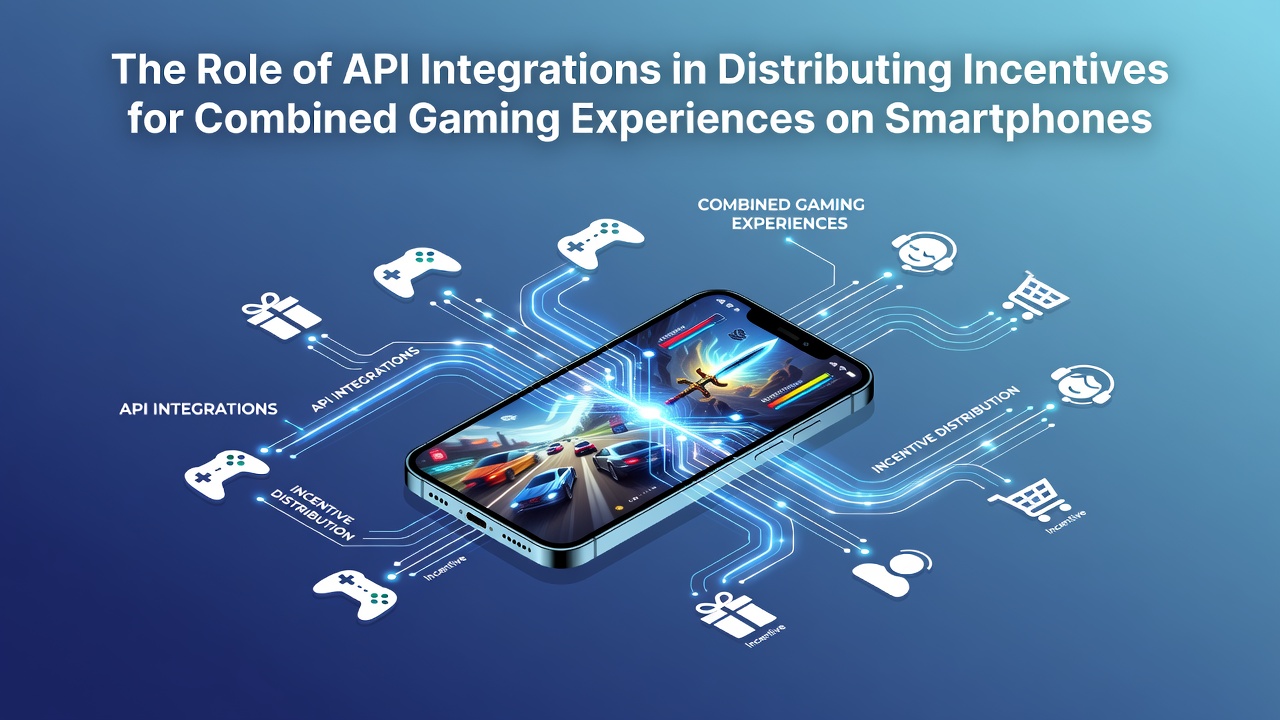
API integrations connect separate mobile game applications so that incentive systems can operate across multiple titles on a single device, and developers use these connections to distribute rewards such as virtual currency, unlockable content, and progress markers without requiring users to switch between isolated platforms. Research indicates that such integrations rely on standardized data exchange protocols that pull user activity metrics from each game module and push unified reward notifications back to the player accounts. Observers note that this process reduces duplication of effort for both developers and users while maintaining separate game logic within each application.
Core Mechanisms Behind Cross-Game Data Exchange
Developers implement RESTful APIs and WebSocket connections to transmit player identifiers, session data, and achievement triggers between games, and these endpoints authenticate through OAuth tokens that comply with platform security requirements set by operating system providers. Data shows that when one game records a milestone the API call relays that information to a central reward server which then calculates eligibility for combined incentives across the linked titles. Those who've studied integration patterns report that latency remains under 200 milliseconds in most commercial implementations because developers optimize payload sizes and cache frequent queries on device side.
Authentication layers verify device identity alongside user credentials so that incentive distribution stays tied to verified accounts rather than hardware alone, and this dual-check approach prevents unauthorized transfers when users switch devices. Researchers discovered that encryption standards such as TLS 1.3 protect the data streams during transit while local storage on the smartphone uses secure enclaves for temporary reward ledgers until synchronization completes.
Combined Gaming Experiences Enabled by Unified Reward Logic
Players engage with puzzle titles, strategy games, and simulation apps within the same session because APIs merge progress indicators into a single dashboard visible across all connected experiences, and this setup allows a completion in one title to contribute toward a shared goal in another. Evidence suggests that such combined formats increase total playtime per user without forcing direct competition between game genres. Figures reveal that studios adopting these systems in early 2026 observed higher retention rates when incentives spanned multiple genres rather than remaining siloed.
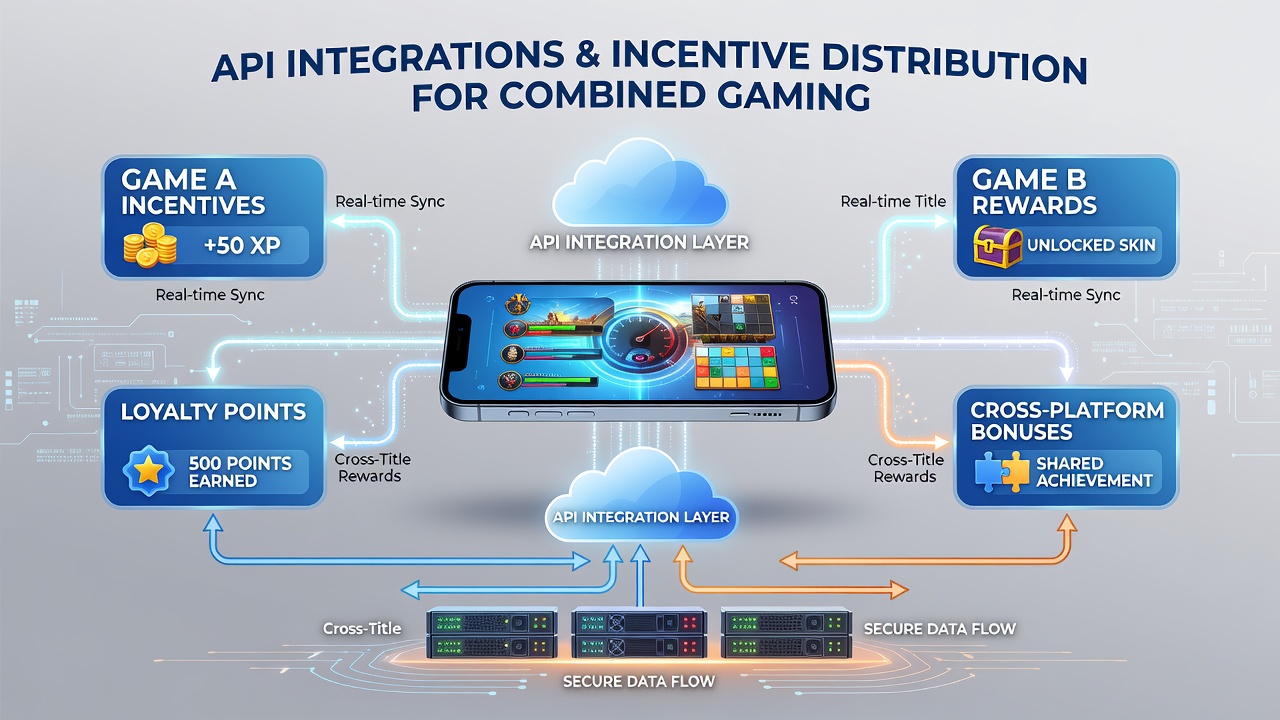
In June 2026 industry reports highlighted expanded use of these integrations following updates to mobile operating system frameworks that simplified background data syncing. Developers cite the ability to push time-limited events that reference activity from several titles as a key driver behind the trend, while users receive consolidated notifications instead of separate alerts from each app. One study revealed that participants who experienced cross-title rewards completed more in-game objectives overall compared with control groups limited to single-app incentives.
Technical Standards and Compliance Requirements
Industry organizations such as the Interactive Software Federation of Europe have published guidelines that recommend consistent data schemas for reward payloads so that different studios can integrate without custom adapters for every partnership. Compliance with regional privacy regulations requires explicit user consent before any cross-app data sharing occurs, and developers log these permissions through the same API channels used for reward delivery. Analysts note that failure to maintain consent records can interrupt incentive flows until verification steps are repeated.
Device manufacturers enforce additional sandboxing rules that limit how deeply one application can read another’s local files, which forces reward systems to route all exchanges through cloud-mediated APIs rather than direct device communication. This architecture adds a layer of reliability because servers handle conflict resolution when simultaneous game sessions attempt to claim the same incentive pool.
Implementation Examples Across Global Markets
Studios in North America have paired casual match-three games with narrative-driven adventures so that resource collection in one title funds upgrades in the other, and similar patterns appear in Asian markets where developers link rhythm games with role-playing titles through shared event calendars. A report from Australian competition authorities documented how local developers adopted these integrations to meet consumer expectations for seamless mobile experiences. Observers note that regulatory bodies in Canada have begun reviewing data-handling practices in these systems to ensure transparency around reward valuation.
Academic papers from institutions tracking mobile software ecosystems describe how modular API design allows smaller teams to participate in larger incentive networks without rebuilding entire backend infrastructures, and this accessibility has led to broader participation from independent creators since 2025.
Conclusion
API integrations continue to reshape how incentives reach players across combined mobile gaming formats by handling authentication, data synchronization, and reward calculation through secure standardized channels. Current implementations demonstrate measurable effects on user engagement metrics while operating within existing platform security and privacy frameworks. Continued refinement of these systems depends on alignment between technical standards, regulatory expectations, and developer adoption patterns observed through mid-2026.